New Doors · Mount Pleasant
Commercial Sectional Door Repair in Mount Pleasant
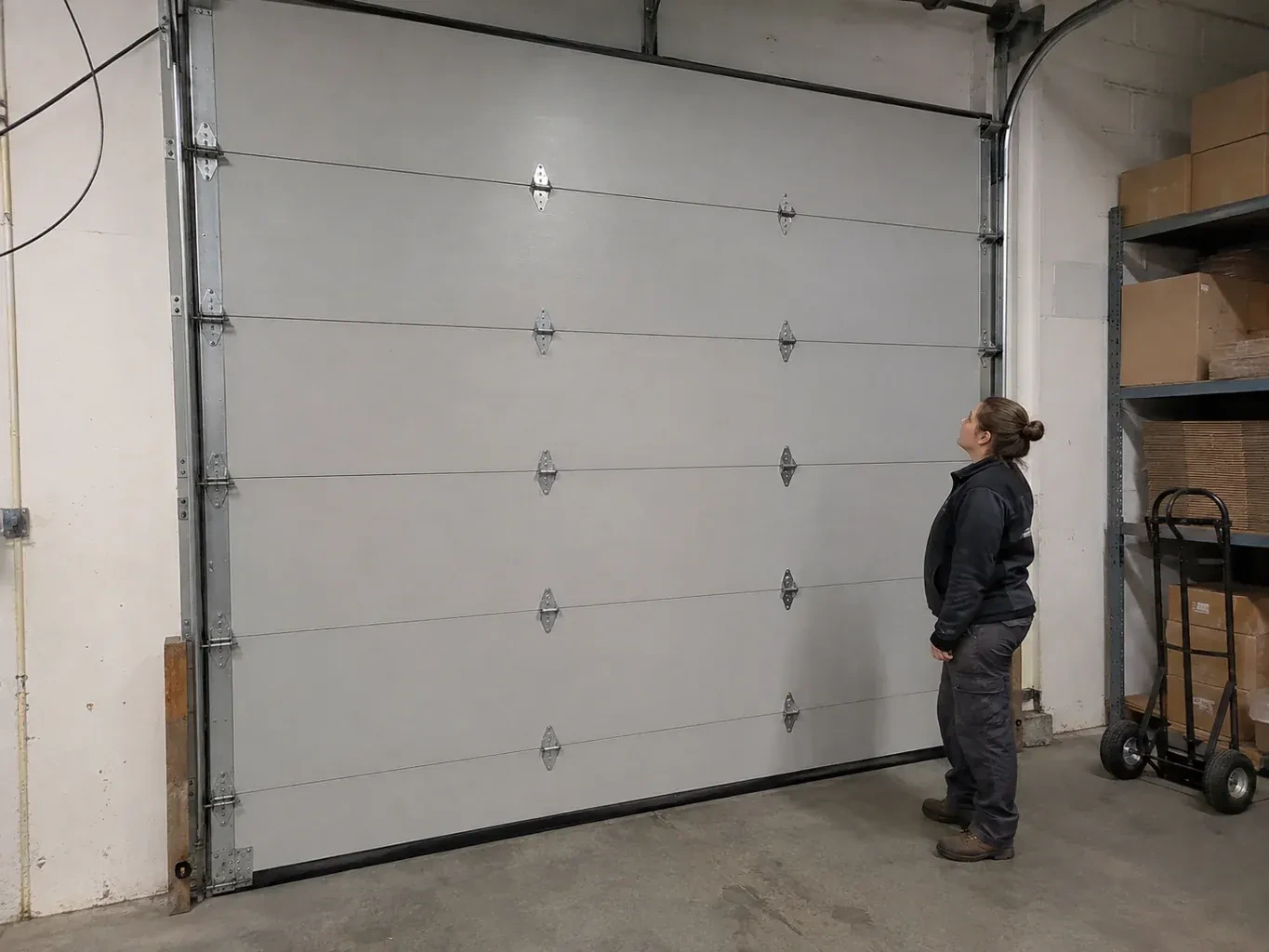
The door reaches the floor, then reverses before staying closed. The threshold is clear, but a sensing edge is distorted and one photoelectric sensor has moved out of line with its partner.
Commercial Sectional Door Repair
In plain words
For a facility with several sectional doors, the repair visit can separate one isolated failure from wear shared across similar openings. Door identification, cycle demand and service history help explain why one bay developed loose hinges, tired rollers or spring imbalance first. The affected opening receives the defined repair, while comparable components on adjacent doors can be visually noted for planning. A clear service record then identifies what changed, which settings were tested and what routine observations facility staff can continue between visits.
How the visit goesThe door reaches the floor, then reverses before staying closed. The threshold is clear, but a sensing edge is distorted and one photoelectric sensor has moved out of line with its partner.
Mount Pleasant
How the visit goes
Reviewing high-lift geometry
High-lift and vertical-lift systems are identified before components are ordered. The technician records door dimensions, track rise, drum arrangement, shaft location, cable path, spring information and operator connection. Back hangs, sway braces, track splices and end stops are examined because movement overhead can appear as cable trouble below. Cable tension is observed at key transitions, especially near the open position. The resulting measurements guide part selection and show whether the fault came from wear, lost support, changed adjustment or a mismatch within the lift arrangement.
Re-establishing the weather seal
A damaged bottom seal is removed from its retainer, and the retainer is straightened or replaced when impact has distorted it. The new seal is sized for the door and floor condition, then fed evenly so it reaches both corners without stretching. Side and header weatherstrip are positioned for continuous contact while leaving the door free to move. If an uneven landing caused the original gap, cable level or track position is corrected first. The final fit is viewed from both sides with the door closed and checked again after cycling.
A better seal at the threshold
The renewed bottom retainer and seal follow the floor more evenly, reducing the route for drafts, grit and slush. The threshold still benefits from regular clearing, especially when packed snow or ice changes where the door lands. Drainage near the opening should direct meltwater away instead of leaving it beneath the rubber. Staff can inspect the seal ends for shrinkage, tearing or displacement during cleaning. Catching a small gap early protects the lower panel and helps keep corrosive moisture away from nearby brackets and cable connections.
Commercial Sectional Door Repair
In the van
- Lift cables and drums
- Bottom fixtures
- Commercial door sections
- Vertical and horizontal track
- Track brackets and back hangs
What affects the quote
Same fees day, night or weekend
1Parts identification and compatibility
Clear model data and current component markings simplify matching; altered assemblies or unavailable profiles may require additional measurement and an engineered compatible approach.
2Counterbalance components involved
Spring count, shaft arrangement, drum type, cable dimensions, bearings and bottom fixtures determine which tensioned parts must be controlled, replaced and reset together.
3Number of affected openings
A single bay with one defined fault differs from a facility request covering several numbered doors, separate symptoms and individual operational tests.
Commercial Sectional Door Repair: questions
What causes a commercial sectional door to become noisy?
Common sources include roller-bearing wear, loose hinges, dry pivots, a rubbing panel, track movement, shaft-bearing wear and operator-chain vibration. The point in the cycle where the sound occurs helps isolate it. A technician watches and listens during controlled travel, looks for play or contact marks, and services the component creating the repeatable noise.
Can one damaged section be replaced on its own?
Often it can, provided a compatible section is available and the surrounding panels, end stiles and hardware remain serviceable. Matching involves more than width and height: thickness, profile, insulation, joint shape, reinforcement and hinge pattern all matter. The technician also checks whether the impact shifted track or mounting points before deciding that a single-section repair is the right scope.
What makes a sectional door different from a rolling door?
A sectional door is built from horizontal panels joined by hinges. Rollers guide those sections through vertical, curved and sometimes horizontal track. A rolling door uses narrow slats that coil around a barrel above the opening. Because the constructions differ, sectional repair centres on panels, hinges, rollers, tracks, lift cables and counterbalance components matched to that system.
Installation & Upgrades
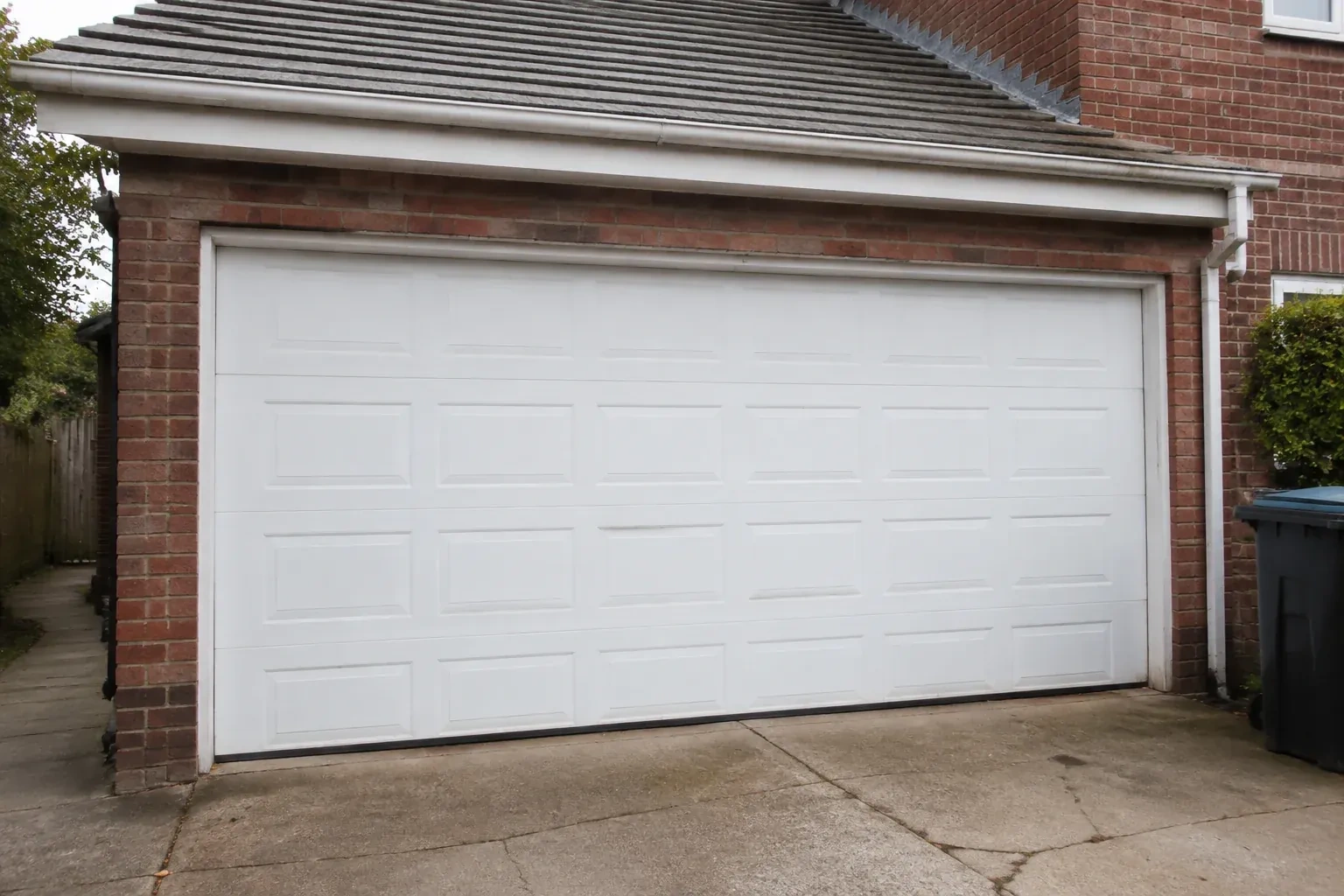
- Insulated Steel Garage Door InstallationThe room above your attached garage stays chilly while the steel door below feels cold to the touch.
- Wind-Rated Garage Door ReplacementYour building designer has supplied positive and negative pressure values for the garage opening.
- Carriage-House Garage Door InstallationA front elevation update has brought new trim, lighting and a deeper colour palette, leaving the…
Commercial Sectional Door Repair near you
Everything we do for garage doors in Mount Pleasant starts with a proper look at the whole door. From there the service might be a small adjustment, a set of new rollers, a spring replacement, an opener repair or a new door. The pages here explain each option so you can follow the reasoning.